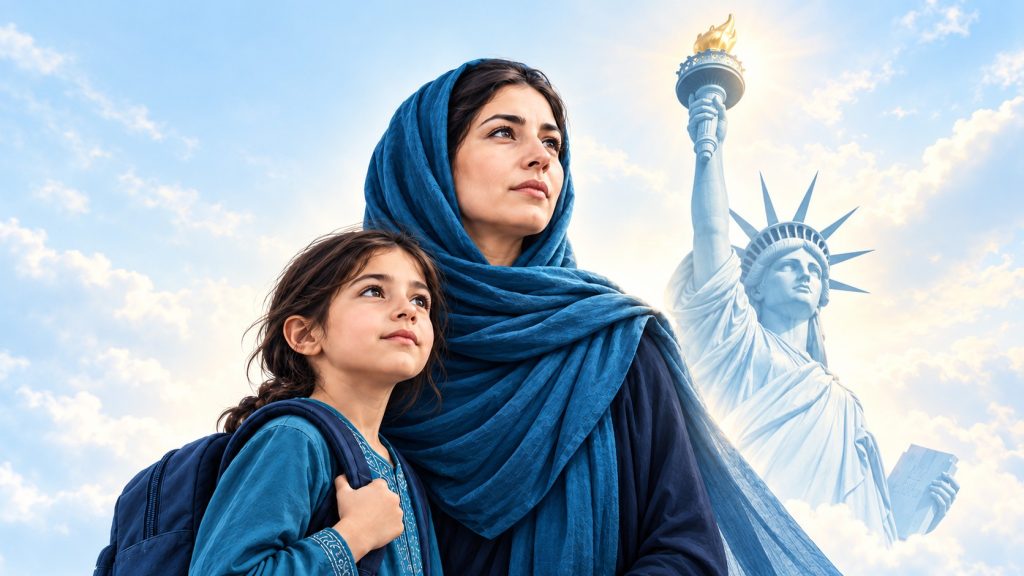
Honoring President Rabbani: Conflict Resolution for a Future Without Displacement
Displaced International remembers the late Afghan President Burhanuddin Rabbani on this solemn anniversary of his assassination, September 20, 2011. Above all, he was committed to conflict resolution as the only durable solution to forced displacement and migration in Afghanistan and across the world. His life’s work underscores a timeless truth: wars uproot millions, but peace—grounded in dialogue, justice, and reconciliation—restores dignity and stability.
His peaceful transfer of power to President Hamid Karzai was unprecedented in Afghanistan’s modern history and much of the region, marking a milestone for democratic transition. President Rabbani was one of the rare Afghan leaders relentlessly devoted to reconciliation. His statesmanship extended beyond Afghanistan, as he mediated peace among opposing factions in Tajikistan, helping to end that country’s devastating civil war and proving that dialogue can heal even the deepest divides.
“While working with UNHCR in the early 1990s,” said Ambassador Ashraf Haidari, President of Displaced International, “I saw firsthand how President Rabbani’s relentless peace mediation brought together hostile and opposing Tajik leaders to reach an agreement that ended their civil war. That statesmanship saved lives, restored hope, and demonstrated that dialogue can succeed where war has only failed.”
Today, more than 10 million Afghans remain displaced both inside and outside the country—one of the largest displaced populations in the world. This painful reality underscores President Rabbani’s conviction that only genuine conflict resolution can end the cycles of war and migration. Carrying forward this legacy, former Foreign Minister Salahuddin Rabbani, son of the late President, stands out for his principled commitment to peacemaking. He remains dedicated to securing Afghanistan’s future through inclusive peace dialogue, acting in the best long-term interests of the Afghan people at a time of worsening insecurity and repression.
Displaced International calls on regional players to take responsibility in helping stabilize Afghanistan. As President Rabbani’s mediation in Tajikistan proved, Afghanistan’s security challenges are deeply rooted in regional dynamics—and only through cooperative, principled engagement can peace in Afghanistan take hold and benefit the wider region.
President Rabbani’s martyrdom leaves behind a legacy Afghan leaders must emulate and the international community must support. His vision of reconciliation and regional statesmanship shows that sustainable peace is possible—and essential—if Afghanistan and its neighbors are to achieve stability and shared prosperity.
Rest in eternal peace, President Rabbani.